
5 Best Deer Hunting Books for Field Skills
MeatEater: Adventures from an American Hunter is the top pick for most buyers among the best deer hunting books. Its main strength is the balance between firsthand hunting stories and practical lessons that readers can apply in the field. The writing stays engaging without turning the book into a dry manual. It also gives hunters a better sense of the ethics, preparation, and decisions behind a successful outing.
This guide is for new hunters, experienced readers, and anyone who enjoys well-written outdoor nonfiction. For a hunting book, page count and format matter most, since a large print edition may work better at home while an ebook fits a phone or tablet. The 5 picks below are ranked with clear reasons and honest drawbacks for each, so you can choose a title that matches your goals, reading habits, and hunting experience.
Quick Comparison
| # | Product | Best For | Price | |
|---|---|---|---|---|
| 1 | MeatEater: Adventures from an American Hunter | Best For Adventure Hunting Enthusiasts | ~$14 | View → |
| 2 | The Big Book of Hunting Stories by Steve Chapman | Best For Hunting Story Fans | ~$12 | View → |
| 3 | Hunting Big Mule Deer: Deer Hunting Book | Best For Mule Deer Hunters | ~$27 | View → |
| 4 | Deer Hunting Handbook for Beginners | Best For New Deer Hunters | ~$10 | View → |
| 5 | Fisken Hunting Journal Logbook | Best For Organized Hunting Journalers | ~$20 | View → |
5 Deer Hunting Books Worth Reading
This ranked list counts down from practical field guides to the strongest overall pick for deer hunters.
5. Fisken Hunting Journal Logbook

Best for: Hunters building a long-term field record
The Fisken Hunting Journal is a compact logbook for recording deer, elk, turkey, duck, and other hunts. Its layout gives you space for dates, locations, weather, and field notes without requiring separate pages for each detail. The journal holds records for more than 200 hunts, making it useful for comparing conditions and observations across multiple seasons.
The cover uses genuine top-grain cowhide leather, which should handle regular pack use better than a basic paper notebook. It measures 7.5 inches tall, 3.25 inches wide, and 1 inch thick. A soft leather slip buckle keeps the journal closed without the snap or zipper noise that could distract you in the field. Inside, the rough-cut, off-white 80 gsm paper has a practical, outdoors-focused feel. At around $20, it also fits the budget for a useful hunter’s gift.
Pros
- Holds notes for more than 200 hunts in one journal.
- Quiet leather slip buckle avoids noisy metal hardware.
- Compact 7.5-by-3.25-inch size fits easily in many hunting packs.
Cons
- The 80 gsm paper may not suit heavy markers or wet-weather writing.
- A 1-inch thickness takes more room than a simple pocket notebook.
4. Deer Hunting Handbook for Beginners

Best for: First-time deer hunters learning basics
Deer Hunting Handbook for Beginners is a low-cost guide aimed at people preparing for their first deer hunt. Its topics include basic hunting methods, shot selection, common mistakes, and the tools needed in the field. The title also promises advice on improving your chances of bringing home a deer, which may help readers organize their preparation before heading outdoors. At around $10, it fits a small hunting-book budget.
The strongest point is its beginner-focused scope. New hunters often need a clear starting point more than advanced strategy, and this book appears designed to cover the early decisions that can cause trouble. The shooting section may also help readers think about accuracy and shot placement before a hunt. Still, the product listing provides no page count, format, edition, author background, or sample pages. Buyers cannot judge its depth from the available details. Local hunting laws, seasons, licenses, and safety rules should come from official wildlife agencies, not this book alone.
Pros
- Covers hunting basics for readers with little prior experience.
- Discusses shot choices and shooting advice in one guide.
- Includes common mistakes, which can help new hunters prepare.
Cons
- The listing gives no page count, format, sample pages, or publication details.
- It may not provide enough local information on regulations, seasons, licenses, or regional deer behavior.
3. Hunting Big Mule Deer: Deer Hunting Book

Best for: Mule deer hunters seeking focused guidance
This hunting book centers on mule deer and the goal of taking a large buck. Hunting Big Mule Deer: How to Take the Best Buck of Your Life targets readers who want one resource devoted to this species instead of a broad guide to big-game hunting. The title points to a practical focus on finding, judging, and pursuing mature animals, but the listing provides no table of contents or detailed summary. Treat those topics as the book’s stated scope, not confirmed chapter content.
Its narrow subject is the main standout. Mule deer hunters can quickly decide if the topic fits their needs. At around $27, it costs about as much as many casual outdoor books, though value depends on the edition, page count, and print quality. No product specs are available for those details. The listing also does not confirm the format, photographs, maps, author credentials, or publication date. Those gaps matter if you want field diagrams, current regulations, or a large reference volume. This title fits hunters who want a focused read, not a complete trip-planning manual.
Pros
- Focuses specifically on mule deer, keeping the subject narrow.
- Addresses the pursuit of a top-quality buck.
- Around $27, it has a moderate entry price.
Cons
- No page count, format, photo, or map details are listed.
- The available information does not confirm the author’s experience or how current the advice is.
2. The Big Book of Hunting Stories by Steve Chapman
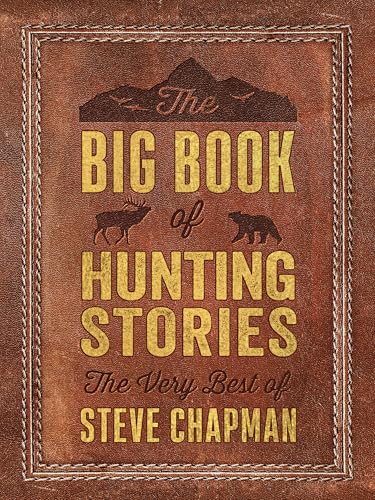
Best for: Readers who enjoy traditional hunting tales
The Big Book of Hunting Stories: The Very Best of Steve Chapman collects hunting writing from author Steve Chapman in one volume. Its appeal comes from the focused subject matter. Readers get a book centered on outdoor pursuits, field experiences, and the culture around hunting rather than a broad mix of unrelated essays. At around $12, it also fits the budget of someone looking for an affordable gift or a casual weekend read.
The title suggests a greatest-hits style collection, but the available product details do not list the page count, binding, edition, or story total. That missing information makes it harder to judge its size and physical value before buying. The book’s narrow focus will suit dedicated hunters more than readers who want general outdoor adventure. It may work well on a cabin bookshelf, in a hunting camp, or as a small gift for someone familiar with Chapman’s work.
Pros
- Brings Steve Chapman’s hunting stories together in one volume.
- Keeps the subject focused on hunting and outdoor experiences.
- Around $12 makes it a relatively low-cost gift option.
Cons
- The page count, format, and edition details are unavailable.
- Readers uninterested in hunting may find the subject too narrow.
1. MeatEater: Adventures from an American Hunter

Best for: Readers of hunting memoirs
Meat Eater: Adventures from the Life of an American Hunter is a nonfiction hunting book centered on American outdoor life, field experiences, and the personal side of pursuing game. It fits readers who prefer narrative accounts over a technical hunting manual. The title suggests a personal journey, so expect storytelling rather than a simple list of equipment, seasons, or recipes.
This listing is for a used copy in good condition. That makes it a lower-cost way to add the book to a personal library, with an approximate price around $14. The copy may show light signs of previous ownership, but “good condition” usually means it remains readable and usable. Since the condition is not new, buyers should review the seller’s photos and notes before ordering. The subject also limits its audience. Readers uninterested in hunting may find the focus too narrow, while outdoor enthusiasts may appreciate its first-person perspective.
Pros
- Covers American hunting through a personal, story-driven format.
- Used good-condition copies can cost around $14.
- A practical pick for readers building an outdoor-life library.
Cons
- Used copies may include marks, worn covers, or other signs of prior use.
- Hunting-focused content will not suit readers seeking general nature writing.
Buying Guide
The most important factor is matching the book to your hunting region and deer species. A guide focused on Midwest whitetails may offer little help for mule deer in western terrain, where seasons, habitat, and tactics differ.
- Regional coverage: Choose a title that names your state, province, or hunting zone and covers local regulations, seasons, and habitat. National guides work best as supplements.
- Skill level: New hunters should seek 150–300 pages with sections on scouting, shot placement, field dressing, and safety. Advanced readers may prefer books on rattling, tracking, or bowhunting.
- Publication date: For regulation details, favor an edition published within the last 3–5 years. Older classics can still teach tactics, but verify legal details with your wildlife agency.
- Format and visuals: A paperback under 2 pounds fits a daypack better than a large hardcover. Look for 20–30 useful maps, diagrams, or sequential photo sets.
- Price and extras: Expect $10–$25 for a practical paperback and $25–$50 for a signed, illustrated, or collector edition. Confirm whether worksheets, maps, or digital material are included.
If you cannot have everything, prioritize regional accuracy because incorrect local advice can affect success and legal compliance.
Frequently Asked Questions
How do I choose a deer hunting book?
Choose a deer hunting book that matches your experience, terrain, and preferred hunting method. Beginners often need clear guidance on scouting, shot placement, and field safety, while experienced hunters may prefer seasonal tactics or regional case studies. A useful starter title usually covers at least three areas: habitat, tracking, and stand strategy.
What topics should a good deer hunting guide cover?
Look for books that explain deer behavior, habitat, scouting, shot placement, and field recovery. Strong references connect those subjects to practical decisions, such as where to place a stand after finding fresh tracks. For example, a guide might compare food plots, bedding cover, and travel corridors across spring, summer, and fall.
Can old deer hunting books still help modern hunters?
Yes, older deer hunting books can still help with tracking, patience, wind reading, and ethical shot selection. Their field observations often remain useful even when equipment changes. A book published 20 years ago may still explain how to read tracks, but current editions are better for regulations, public-land rules, and modern gear.
Are photo-heavy hunting books better for beginners?
Photo-heavy deer guides are useful for learning tracks, sign, habitat, and field-dressing steps, but text-rich books usually provide deeper strategy. Clear images can make antler terms and rub patterns easier to understand. For example, a practical guide with 50 or more labeled photos may help visual learners, while advanced readers may want maps and diagrams.
Conclusion
MeatEater: Adventures from an American Hunter is the top pick for readers who want engaging stories, practical lessons, and a broad look at hunting culture. If your priority is fast reference in the field, choose a compact regional guide with local deer behavior, habitat, and regulations instead. Before buying, double-check the book’s size and format, compatibility with your e-reader if applicable, quantity when ordering a boxed set or bundle, and the current price across retailers. A narrative volume works well beside a winter fire, while a focused guide earns its place in a pack or truck. Choose the format you will actually read, and favor clear maps, durable binding, and advice suited to your region.