
7 Best Arrow Saw for the Money for Bowhunters
Electric Adjustable Arrow Saw Cutter is the best arrow saw for the money for most buyers because its adjustable setup can handle more arrow-making tasks than a fixed-purpose model. It is a practical choice for archers building or tuning arrows at home, especially when flexibility matters more than extra features.
This guide is for bowhunters, target shooters, and DIY arrow builders comparing tools for occasional or regular use. The key factors are compatible shaft diameters and the cutter’s power source, since those determine what you can cut and where you can work. Blade control, adjustment range, and storage size also affect daily convenience. The seven picks below are ranked with clear reasons and honest drawbacks for each.
Quick Comparison
| # | Product | Best For | Price | |
|---|---|---|---|---|
| 1 | Electric Adjustable Arrow Saw Cutter | Adjustable Length Arrow Cutting | ~$75 | View → |
| 2 | Modsaw 3-in-1 Arrow Saw | Multi-Function Workshop Setup | ~$225 | View → |
| 3 | MOYJ Archery Arrow Saw Cutter | Archery Shaft Sizing | ~$70 | View → |
| 4 | Moyujian Detachable Arrow Cutter | Portable Detachable Cutting | ~$65 | View → |
| 5 | CHENNTAI 3-in-1 Electric Arrow Cutter | Versatile Arrow Workbench | ~$150 | View → |
| 6 | SPG Electric Archery Arrow Cutter Saw | Electric Archery Maintenance | ~$70 | View → |
| 7 | Arrow Saw Carbon Arrow Cutter | Carbon Shaft Preparation | ~$51 | View → |
Our 7 Top Arrow Saw Picks
These picks are ranked by value, cutting control, and useful features, counting down to the top budget-friendly choice.
7. Arrow Saw Carbon Arrow Cutter
Best for: Home arrow builders needing clean cuts
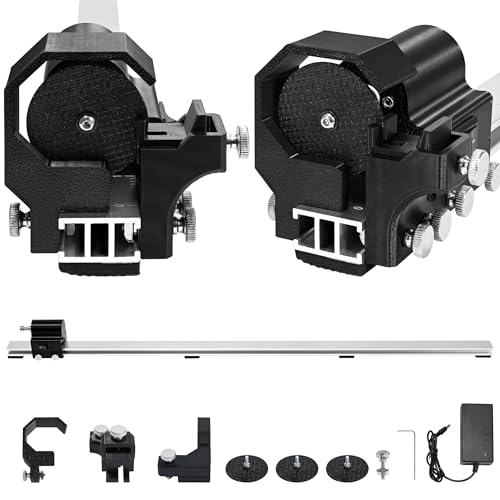
This compact arrow saw is designed for trimming carbon and aluminum shafts, with enough cutting power for some metal work. Its motor runs at 8,000 rpm and uses a 1.4-inch blade. A sliding guide handles shaft lengths from 4.3 to 32 inches, while the built-in scale helps set repeatable cuts. The CNC-machined aluminum alloy body should provide a solid base for workshop use.
Two resin blades come with the cutter. Each uses a double-layer mesh design intended to reduce dust during cutting, and a separate dust cover adds another layer of protection. Still, the cover cannot replace eye protection or a mask, especially with carbon shafts. The blades are replaceable, which helps keep the tool useful after normal wear. At around $51, it offers more control than improvised cutting methods, but buyers should not expect a full professional fabrication setup. The compact blade size favors arrow shafts, not large stock or heavy metal work.
Pros
- The 4.3 to 32-inch slider supports short and full-length shaft cuts.
- The clear scale makes repeated measurements easier to set accurately.
- Two replaceable resin blades cover carbon and aluminum cutting needs.
Cons
- Cutting carbon still produces hazardous dust, so a mask and eye protection remain necessary.
- The 1.4-inch blade and compact design may limit work on thicker metal or larger materials.
6. SPG Electric Archery Arrow Cutter Saw

Best for: Archers making uniform arrows at home
The SPG Electric Archery Arrow Cutter Saw is a compact bench tool for sizing carbon, fiberglass, and aluminum arrow shafts. Its adjustable ruler covers cuts from 0 to 40 inches, helping users repeat the same length across a batch. A 12,000 RPM motor drives a diamond cutting wheel that also helps smooth shaft edges after cutting. The wheel is designed to reduce burrs and rough spots compared with basic manual cutters.
Its 100–240V input suits home workshops and small studios with compatible plugs. The body combines aluminum alloy with engineering-grade plastic, while non-slip pads help keep the base steady during use. The cutting assembly can be removed for cleaning, disc replacement, and storage. At around $70, it costs more than a hand tool, but the powered operation may save time for archers preparing several dozen shafts. The main limit is that the listing does not mention dust collection, so users should plan for debris and wear suitable eye protection.
Pros
- 0–40-inch ruler supports repeatable arrow lengths.
- 12,000 RPM motor cuts and smooths shafts quickly.
- Works with carbon, fiberglass, and aluminum arrows.
Cons
- No dust-collection system is listed, so cutting may leave debris around the work area.
- The compact design may suit arrow work best, but it is not a general-purpose saw for larger materials.
5. CHENNTAI 3-in-1 Electric Arrow Cutter
Best for: Home archery shops and club maintenance
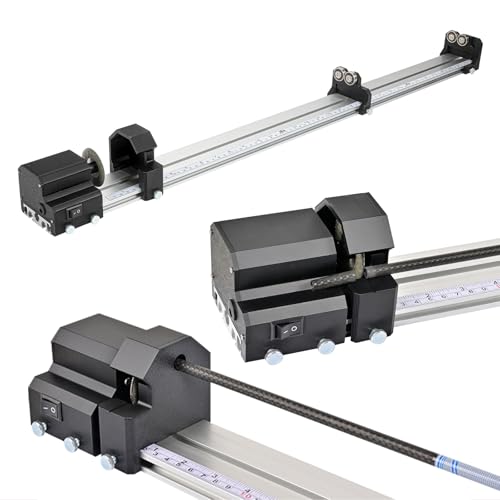
The CHENNTAI 3-in-1 Electric Arrow Cutter combines a shaft saw, sanding port, and arrow spinner in one aluminum-alloy unit. It supports fiberglass, carbon fiber, aluminum, and wooden shafts for compound and recurve bows. A high-hardness metal blade handles cutting, while the zero-scale ruler helps set consistent lengths. The listed specifications include a 2 mm thickness measurement range, so buyers should confirm that it fits their shafts.
After cutting, the sanding station can smooth the shaft end, and the rotating tester helps reveal bends during setup. Operation is still partly manual. Place the arrow on the platform, switch it on, then turn the handle three or four times. A non-slip base helps limit movement. The lightweight design suits ranges, clubs, and small workshops. Around $150, it costs more than a basic hand cutter, but combines three maintenance tasks in one tool.
Pros
- Cuts several shaft materials with a high-hardness metal blade.
- Combines cutting, sanding, and straightness checking in one unit.
- Lightweight aluminum-alloy body and non-slip base support portable use.
Cons
- The handle still needs three or four turns per arrow, so cutting is not fully automatic.
- The listed specifications do not provide a shaft-diameter limit, which makes fit harder to confirm before purchase.
4. Moyujian Detachable Arrow Cutter

Best for: Home archers cutting custom-length arrows
The Moyujian Detachable Arrow Cutter is a compact tool for trimming carbon fiber, fiberglass, and aluminum arrows. Its motor runs at up to 12,000 RPM, which should make quick cuts with fewer burrs than slower hand tools. The advertised cutting range runs from 4.3 to 32 inches, giving users room to set common arrow lengths. Clear markings on the aluminum base make adjustments easier and more repeatable.
Several design details add practical value. The frame combines CNC-processed aluminum alloy with plastic parts, while rubber anti-slip pads help limit movement during use. The cutting position sits on top rather than the side, which may make arrow placement more convenient. A transformer supports 100 to 240 volts, so the cutter can work across many electrical systems. At around $65, it costs more than a basic manual cutter, but it offers faster powered cutting. The listing also promises customer support with responses within 24 hours, though service quality can vary.
Pros
- 12,000 RPM motor supports fast cutting with reduced burrs.
- Works with carbon fiber, fiberglass, and aluminum arrows.
- Adjustable 4.3- to 32-inch range includes clear base markings.
Cons
- No battery operation is listed, so setup likely requires access to power.
- The 32-inch maximum may not fit arrows that need longer cuts.
3. MOYJ Archery Arrow Saw Cutter

Best for: Home archers cutting mixed shafts
The MOYJ Arrow Saw is a compact electric cutter for preparing carbon, aluminum, and fiberglass arrow shafts. Its adjustable guide covers shafts from 4.3 to 32 inches, or 11 to 81 cm, so it can handle short repairs and full-length cuts. A clear measurement scale helps set the target length, while the sliding end support holds the shaft in position during cutting. At around $70, it sits in the range of a dedicated workshop tool rather than a casual accessory.
Its motor reaches a no-load speed of 12,000 rpm, which should make repeated shaft work faster than using a hand tool. The maker says a skilled user can cut about a dozen carbon arrows in 15 minutes, though actual speed depends on setup and experience. The package includes two electric saw blades. It also includes an arrow polisher, giving you a way to smooth the cut end after trimming. That combination suits archers who tune their own arrows or work with several shaft materials.
Pros
- Cuts carbon, aluminum, and fiberglass shafts with one tool.
- 4.3-to-32-inch adjustment range fits many arrow lengths.
- Included polisher helps finish cut shaft ends.
Cons
- Only two saw blades are included, so replacements may be needed for frequent work.
- The 12,000-rpm motor and adjustable guide still require careful setup for accurate, clean cuts.
2. Modsaw 3-in-1 Arrow Saw

Best for: DIY archers building custom carbon arrows
The Modsaw 3-in-1 Arrow Saw combines arrow cutting, arrow spinning, and arrow squaring in one modular tool. It is designed for both carbon and aluminum arrows, so it fits common home arrow-building projects. A vacuum attachment helps manage cutting dust, while the included extra blade and sanding discs support maintenance and finishing work. The price is around $225, which places it well above basic hand tools.
Its main appeal is the range of tasks in one setup. Cutting shafts, checking their spin, and squaring the ends usually require separate tools or extra steps. This design keeps those jobs together, which can save bench space for archers who build or tune arrows regularly. The modular format may also let owners adjust the setup around their workflow. Still, the available feature details do not list cutting capacity, motor power, blade size, or vacuum compatibility. Buyers should confirm those points before ordering, especially if they work with shafts outside common carbon or aluminum sizes.
Pros
- Combines arrow cutting, spinning, and squaring in one tool.
- Works with both carbon and aluminum arrow shafts.
- Includes a vacuum attachment, extra blade, and sanding discs.
Cons
- Around $225, it costs much more than a basic arrow saw.
- The listed details do not confirm shaft-size limits, motor power, or compatible vacuum models.
1. Electric Adjustable Arrow Saw Cutter

Best for: Home archers cutting custom arrows
This compact electric arrow saw is designed for cutting carbon fiber, fiberglass, and aluminum shafts without assembly. Its 12,000-rpm motor should make quick work of routine cuts, while the top-mounted cutting layout offers easier access than a side-cut design. The aluminum alloy base includes printed length marks, so you can set cuts from 4.3 to 32 inches.
Several details make it more practical than a basic hobby cutter. The CNC-processed aluminum and plastic frame should handle regular workshop use, and rubber feet help limit movement during cutting. The included transformer supports 100 to 240 volts, which suits many household electrical systems. At around $75, it costs more than simple manual tools but may fit archers who cut shafts often. The listing says it arrives ready to use, though buyers should still follow proper eye and dust protection practices when cutting arrow materials.
Pros
- The 12,000-rpm motor supports fast, clean shaft cuts with fewer burrs.
- Adjustable markings cover arrow lengths from 4.3 to 32 inches.
- Supports carbon fiber, fiberglass, and aluminum arrows.
Cons
- The wide 4.3-inch minimum may not suit unusually short shafts or specialty projects.
- The product details do not clearly list spare cutting wheels, replacement parts, or included safety gear.
Buying Guide
Cut accuracy matters most when choosing an arrow saw. A clean, square cut helps each shaft match the same insert depth, point alignment, and finished length.
- Cutting precision: Choose a model with an adjustable length stop and a shaft guide that holds arrows straight. A stop accurate to about 1/16 inch is suitable for consistent arrow batches.
- Motor and wheel: Look for a motor rated around 5,000 to 10,000 RPM with a 3-inch abrasive wheel. The blade should cut carbon, aluminum, and fiberglass shafts without excessive heat.
- Shaft compatibility: Confirm the guide accepts your arrow diameter. A useful range is approximately 0.200 to 0.400 inch, which covers many hunting and target shafts.
- Dust control and safety: Prefer a clear guard, spark shield, and vacuum port. Carbon dust can irritate the lungs, so use eye protection and connect the port to a shop vacuum when possible.
- Included accessories and price: In the $80 to $180 range, look for a squaring tool, spare cutting wheel, measuring scale, and shaft support. These extras can cost $20 to $50 separately.
If you cannot have every feature, prioritize cut precision and a rigid shaft guide over extra accessories or higher motor speed.
Frequently Asked Questions
How do I choose an affordable arrow saw for home use?
The best affordable arrow saw for home use has a rigid arrow rest, a guarded cutting wheel, and an adjustable shaft guide. Check replacement blade prices before buying, since a low purchase price can become expensive over time. A model with a 110-volt motor may suit many household workbenches, if compatible with your outlet.
What features matter most in a budget arrow cutter?
The most important features are a straight shaft guide, an accessible blade, and a motor rated for the shaft materials you cut. Also compare noise, dust control, and warranty coverage. Read at least three listings, because included clamps, spare blades, and shipping costs can change the actual value.
Can a cheap arrow saw cut carbon arrows safely?
Yes, but only when it has a stable guide, a suitable abrasive wheel, and proper eye and breathing protection. Follow the maker’s instructions and inspect each cut for splinters. Keep your hands clear, and avoid cutting unsupported shafts longer than the guide allows.
Are premium arrow cutters worth paying more?
Premium arrow cutters are worth the extra cost mainly for frequent use, tighter adjustments, and easier access to replacement parts. Occasional users can save money with a basic unit that includes a stable rest and suitable blade. If you cut 20 shafts a month, smoother controls and stronger service support may justify the higher price.
Conclusion
The Electric Adjustable Arrow Saw Cutter is the top pick for archers who want adjustable cutting control and a practical setup for occasional home arrow work. If portability, lower cost, or a smaller footprint matters more, choose a compact manual cutter instead, since it takes less space and avoids motor-related maintenance. Before ordering, double-check the saw’s overall size, supported arrow materials and shaft diameters, package quantity, included blades, and current price, since listings and bundles can change. Also confirm that the tool fits your workspace and matches the arrows you plan to cut. A suitable saw should make repeatable cuts without forcing you to pay for features you will rarely use. That balance matters most for a budget-conscious purchase.